
Artificial intelligence uses AI in agriculture
What is artificial intelligence?
Artificial Intelligence (AI) is a branch of computer science that focuses on creating systems or machines capable of performing tasks that normally require human intelligence. These tasks include learning, reasoning, problem-solving, understanding natural language, recognizing patterns,recognizing images, making decisions, or engaging in dialogueand making decisions.
In a nutshell, Artificial Intelligence (AI) is the technology that allows computers and machines to think, learn, and perform tasks like humans.This means technology can solve problems and learn in ways similar to humans. By processing enormous amounts of information, AI can recognize patterns and even generate new content. In practice, AI includes a variety of technologies, such as machine learning, deep learning, natural language processing, and robotics.
We use AI every day without even noticing it. When we ask Alexa or Siri to play a song, use Google Maps to find the fastest route, watch movie recommendations on Netflix, or chat with a website’s chatbot for answers, that’s all AI in action, helping to make our tasks easier and faster. In agriculture, AI offers many opportunities to address modern challenges, including labour shortages, unpredictable weather, nutrient deficiencies and pest and disease management.
Agriculture is currently in the middle of a digital revolution, where AI-powered tools are helping farmers make smarter decisions, increase yields, and manage resources more sustainably. This transformation is reshaping the way food is produced, distributed, and consumed around theworld.It helps farmers reduce costs, overcome labour shortages, grow healthier crops, and achieve better-quality produce by applying the appropriate nutrients and pesticides at the right rate, in the right place, and at the right time — all while protecting the environment.
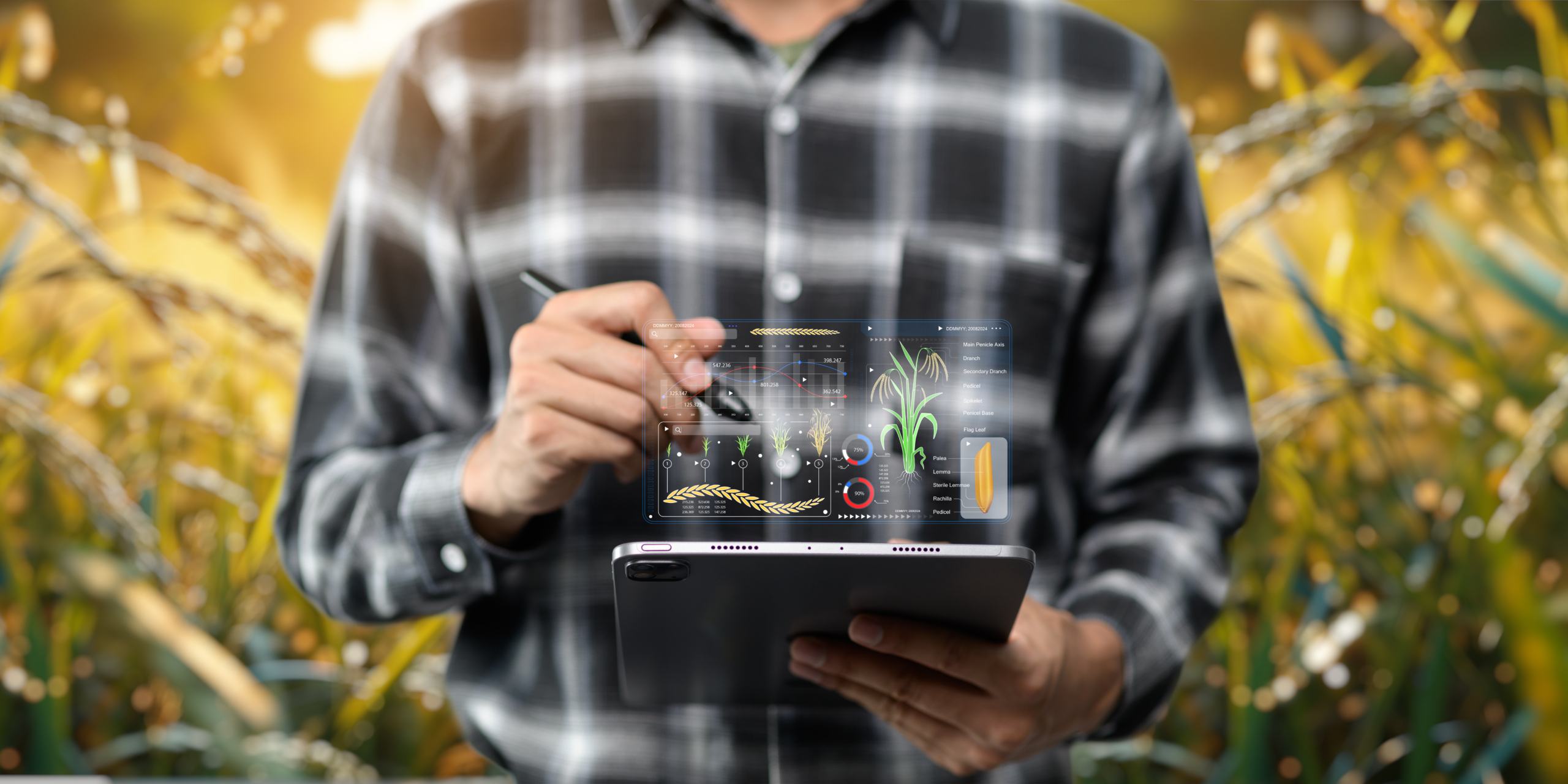
How can AI be used in agriculture?
Predictive Analytics and Decision Support : AI helps farmers make better decisions by providing crucial information about their crops. Since weather can be unpredictable and greatly affect crop health, AI tools forecast weather conditions during important times like planting season, helping farmers choose the best time to plant. These tools also offer early warnings about severe weather, enabling farmers to protect their crops and reduce losses. Beyond weather, AI predicts pest outbreaks, diseases, and soil conditions, giving farmers real-time alerts to apply treatments only when necessary. This targeted approach reduces chemical use, saves money, and supports sustainable farming.
- Crop Yield Prediction: By analysing historical and real-time data, AI forecasts crop yields, assisting farmers in making informed decisions about planting, harvesting, and marketing their produce.
- Pest and Disease Detection: AI algorithms examine images and sensor data to detect early signs of pests and diseases, allowing farmers to intervene promptly and apply targeted treatments.
- Weather Forecasting: AI models improve the accuracy of weather predictions, helping farmers plan critical activities like planting, harvesting, and pest control more effectively.
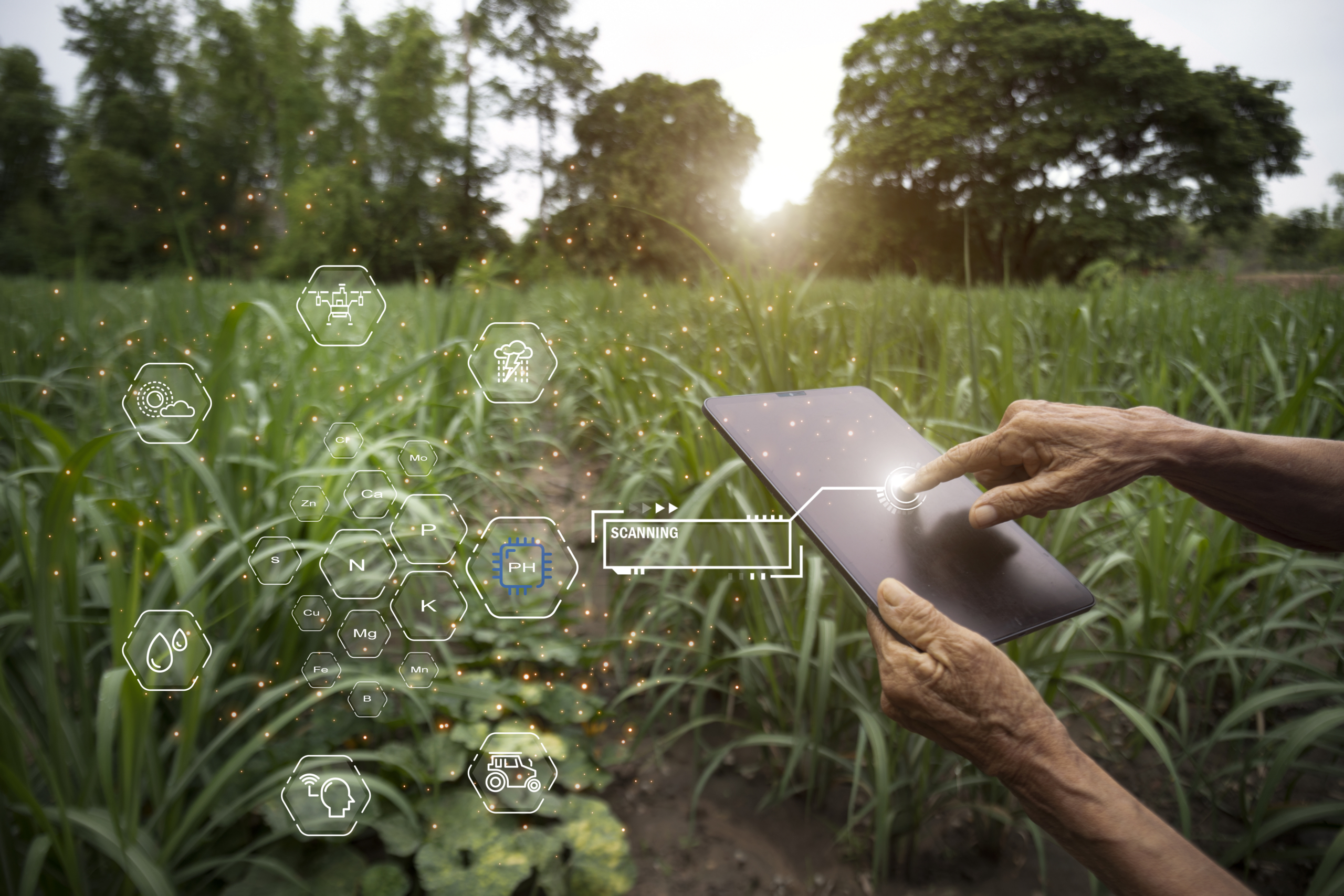
Precision agricultureand cropmonitoring
Precision agriculture is the method of monitoring and managing crops at a near-granular level, Precision agriculture uses advanced technologies such as satellite imagery, computer vision, and artificial intelligence to monitor and manage crops in detail. These tools assist farmers in detecting issues like nutrient deficiencies or early signs of diseases and pests that might otherwise go unnoticed. By using this information, farmers can apply the appropriate amounts of water, fertilizer, or pesticides at the right time and place, enhancing the efficiency, sustainability, and cost-effectiveness of their farming practices.
- Crop and Soil Monitoring: AI analyses images and sensor data to detect areas that need specific care, such as irrigation or fertilization, ensuring resources are used efficiently.
- Precision Irrigation: By monitoring soil moisture and weather conditions, AI optimizes water use, applying it only where and when crops need it.
- Livestock Management: AI systems track animal health, feeding, and behaviour, allowing timely care and improving overall welfare.
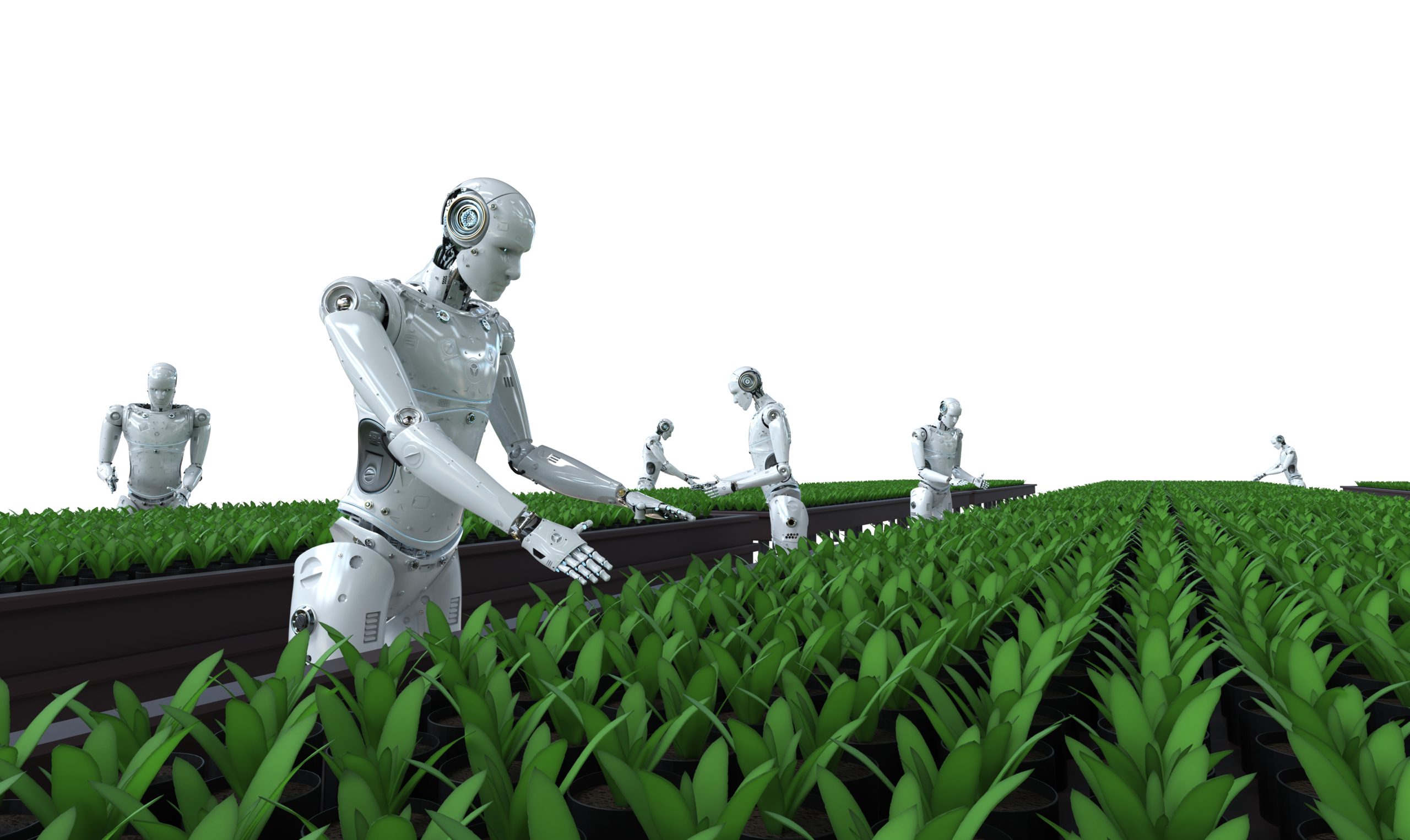
Automation in Agriculture:Artificial Intelligence (AI) is revolutionizing agriculture by automating various farming tasks that were previously labour-intensive and time-consuming. AI automation combines intelligent machines, robotics, and data-driven algorithms to perform activities such as planting, weeding, irrigating, monitoring, and harvesting with high precision and efficiency. By reducing the reliance on manual labour, AI-powered automation helps farmers save time and costs while also enhancing the quality and consistency of farm operations. This technology not only boosts productivity but also promotes sustainable farming by minimizing waste, optimizing resource use, and reducing environmental impact.
- Agricultural Robots:AI powers robots for tasks like harvesting, planting, and weeding, reducing manual labour and increasing efficiency.
- Automated Weed Control: AI-powered systems identify and remove weeds, reducing manual labour and minimizing the use of harmful herbicides.
- Automated Harvesters:AI-guided robots can identify ripe produce and harvest it with precision, minimizing waste and maximizing yield.
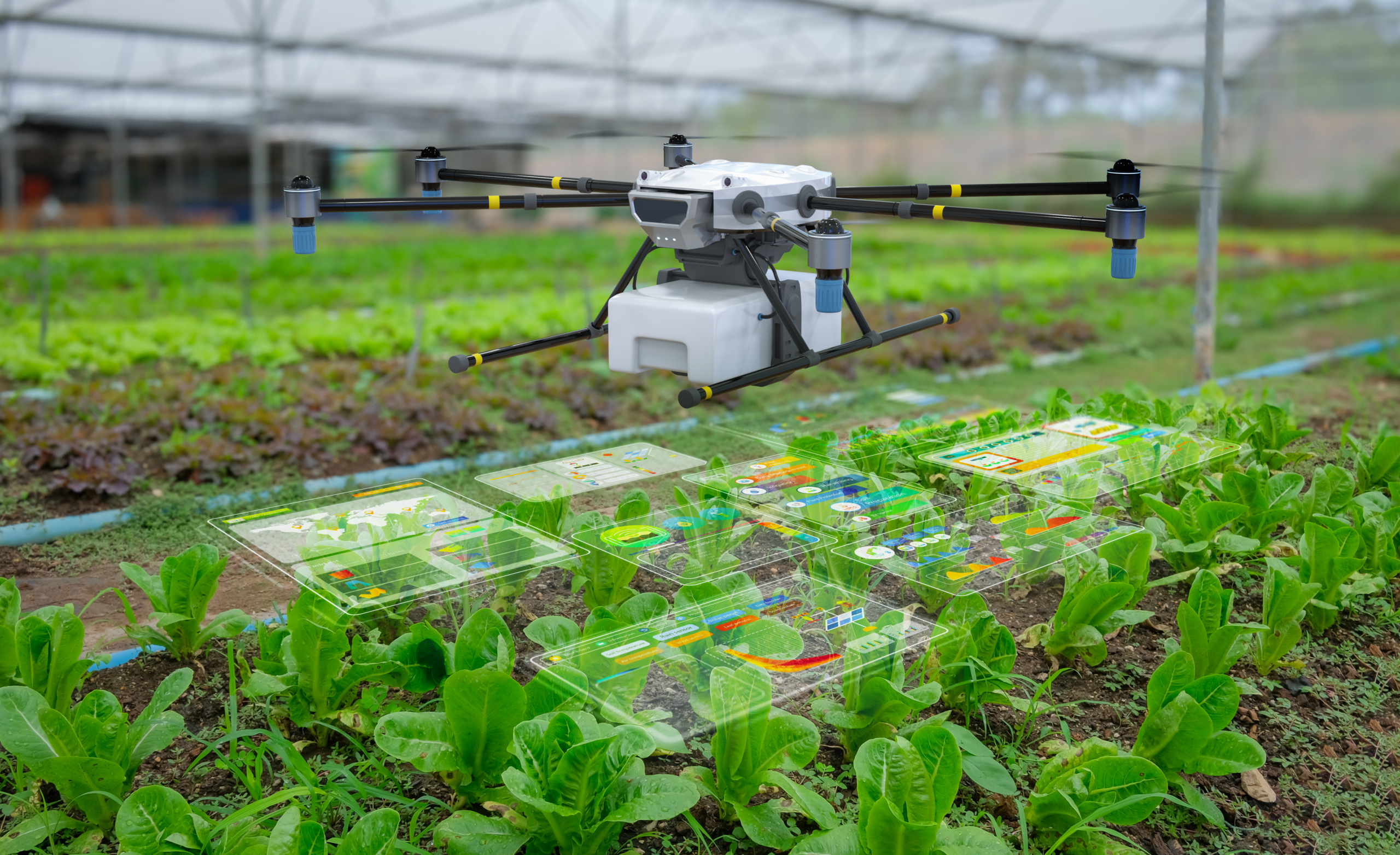
Agri Artificial intelligence (AI): A digital doctor, scientist, and weather monitor for farming
Artificial intelligence (AI) acts as a digital doctor, scientist, and weather monitor for farming. Just as a doctor provides personalized treatment to a patient, AI assists farmers in caring for their crops with precision. It offers farmers detailed information about their crops and soil through the use of sensors, drones, and satellite images. This valuable data helps farmers make informed decisions, resulting in higher crop yields and reduced environmental impact.
How can we responsibly use AI in agriculture?
At Agrience, we view artificial intelligence as a valuable tool to support humans and farming community.AI is designed to assist humans, not replace them. It ensures that critical decisions remain in the hands of experienced individuals, complementing their expertise. To avoid potential issues, it is important to ensure that humans are involved at every stage of AI development and implementation. Farmers, retailers, FPOs, and other users should be informed about how AI functions, the data it utilizes, as well as its capabilities and limitations. This transparency fosters trust and encourages everyone to use the technology wisely.
AI is designed to assist humans, not replace them. It ensures that important decisions remain in the hands of experienced individuals, supporting their expertise. To avoid potential issues, we should know that humans are involved at every stage of AI development and implementation.Farmers, retailers, FPOs, and other users should understand how AI tool works in farming, what data it uses, and what it can and cannot do. This transparency builds trust and helps everyone use the technology wisely in agriculture
India has entered a new phase called the Digital Green Revolution, where technology meets tradition to transform agriculture. Building on the success of the 1960s Green Revolution, this movement uses AI, IoT, and blockchain to make farming more productive, sustainable, and efficient.AI-powered tools help farmers use resources like water, fertilizers, and pesticides more efficiently, increasing crop yields and reducing harm to the environment. Before making decisions, farmers should combine their own experience with these smart farming solutions. Together, both approaches can lead to better results and improved livelihoods.