
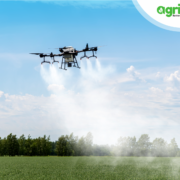
Drone Agriculture
Agriculture has always been the backbone of India, but today farmers face challenges like small, scattered land, labor shortages, rising costs, and unpredictable weather. Traditional methods can’t keep up, so technology—especially drones—is transforming farming by making it smarter, faster, and more sustainable. Equipped with GPS, multispectral sensors, and automated sprayers, drones help monitor crop health, apply pesticides precisely, and increase yields. They are becoming essential tools for farmers of all scales as precision farming grows.
Drones have revolutionized farming in India in recent years. With features like GPS, multispectral sensors, and automated sprayers, these cutting-edge aerial vehicles enable farmers to more effectively monitor crop health, apply pesticides, and maximize yields. Drones are becoming a vital tool for both small and large-scale farmers as the demand for precision farming increases.
What Are Agricultural Drones?
Agricultural drones are unmanned aerial vehicles (UAVs) equipped with cameras, sensors, and sometimes sprayers. They can quickly fly over fields, collect data, and even perform tasks such as spraying fertilizers or pesticides — all without disturbing the crops or soil.In a nutshell, drones are small remote-controlled flying devices equipped with cameras and sensors that help farmers monitor crops, map fields, apply treatments, conserve water, and track livestock efficiently.
Applications of Drones in Agriculture
- Crop Monitoring and Health Assessment:One of the most impactful uses of drones in agriculture is monitoring crops and assessing their health. Equipped with advanced cameras and sensors, such as multispectral and RGB cameras, drones can fly over fields and capture high-resolution images that reveal even subtle changes in plant health. This technology allows farmers to identify issues like nutrient deficiencies, diseases, or pest infestations at an early stage. With this timely information, farmers can intervene promptly, applying treatments only where necessary. This not only helps improve yields but also reduces input costs by avoiding blanket applications of fertilizers or pesticides.
- Precision Agriculture: Drones have become a crucial tool in implementing precision agriculture practices. By collecting detailed data about variations in soil conditions, plant growth, and field topography, drones create accurate maps of the farmland. This information enables farmers to apply resources—like fertilizers, pesticides, and water—more precisely and efficiently. Instead of spraying an entire field uniformly, drones help target specific areas that need attention. This optimized approach minimizes waste, saves costs, and reduces environmental impact while ensuring crops receive exactly what they need to thrive.
- Irrigation Management: Managing water efficiently is critical in agriculture, and drones make this task much easier and more effective. Drones can assess soil moisture levels across a field and pinpoint areas that are under- or over-irrigated. With this data, farmers can adjust their irrigation schedules and techniques to conserve water while maintaining healthy crop growth. The ability to monitor and manage irrigation more accurately leads to better yields, healthier plants, and significant water savings—an especially valuable benefit in regions facing water scarcity.
- Pest and Disease Management: Drones play an important role in protecting crops from pests and diseases. They can quickly survey large areas of farmland, detecting signs of infestations or infections before they become widespread. Once identified, drones can also be used to deliver targeted treatments, applying pesticides or biological agents only where needed. This precise application reduces the reliance on broad-spectrum chemicals, lowering costs and minimizing the environmental impact of farming practices.
- Soil Analysis: Drones equipped with specialized sensors can indeed collect soil samples and analyze various characteristics like nutrient levels, moisture content, and pH, providing valuable insights to guide planting decisions. This technology allows for precise and efficient soil analysis across large areas, enabling farmers to optimize resource allocation and improve crop yields.
- Livestock Monitoring:Drones with cameras and sensors are changing how farmers keep track of their animals. They can easily follow where livestock move, making sure animals stay safe and don’t wander off. Drones also use thermal imaging to spot sick or injured animals early by detecting small changes in body temperature. This helps farmers take quick action to keep their animals healthy. With clear images and videos, drones help farmers watch how animals graze and check pasture quality. This information helps in planning better grazing so animals get enough food.
Why Farmers Should Use Drones?
Farmers should consider using drones because they save time and reduce labor by quickly covering large areas that would take much longer to inspect manually. Drones also help cut costs by using water, chemicals, and fuel more efficiently, applying them only where needed. This precise management improves crop yields and quality, as problems are detected early and addressed promptly. Additionally, drones support environmental protection by minimizing the overuse of pesticides and fertilizers. Overall, using drones makes farming more sustainable, efficient, and profitable.
Drones in India: Growing Potential
The Indian agriculture drone market is witnessing unprecedented growth, signaling a transformative shift in how farming is done. With the integration of technology and the increasing demand for efficiency in agriculture, drones are emerging as a key enabler of precision farming and sustainable practices.
According to industry experts, the Indian agriculture drone market is projected to reach USD 2,110.60 million by 2033, growing from USD 243.60 million in 2024. This remarkable expansion reflects a compound annual growth rate (CAGR) of 24.10% between 2025 and 2033.Several factors are driving the rapid adoption of drones in Indian agriculture:
Key Drivers of Growth
Government Support :The Indian government has been instrumental in promoting drone adoption through initiatives such as the Kisan Drone SchemeNamo Drone Didi, Drone Shakti, Production Linked Incentive (PLI) offering subsidies and creating an enabling policy framework to make drone technology accessible to farmers and agri-entrepreneurs.
- The Namo Drone Didi scheme empowers 14,000–15,000 women SHGs with drones, training them to offer Drone-as-a-Service to farmers.
- Drone Shakti supports startups and promotes Drone-as-a-Service (DaaS) to boost India’s drone industry and make technology more accessible.
- The Production Linked Incentive (PLI)scheme boosts local manufacturing, making drones affordable and accessible for farmers.
Precision Farming:Drones are transforming precision farming by enabling accurate crop monitoring, detailed soil and field analysis, and targeted spraying of fertilizers and pesticides. These technologies help farmers optimize input use, reduce costs, and increase crop yields
Addressing Labor Shortages: With rising labor costs and shortages of agricultural workers, drones are providing an effective alternative for time-consuming and labor-intensive tasks, such as spraying and field surveillance.
Technological Advancements: Continuous innovation in drone technologyincluding AI-powered analytics, advanced sensors, and improved battery life is making drones more efficient, reliable, and affordable for Indian farmers.
Challenges in Indian Farming
Small and Scattered Farms: Indian farmers own less than 2 hectares of land, often divided into small plots, which makes using modern machinery and irrigation systems difficult.
Outdated Farming Practices:Many farmers still rely on traditional methods like flooding fields or excessive use of fertilizers and pesticides, leading to water wastage, soil damage, and lower productivity.
Environmental Challenges:Agriculture consumes about 80% of India’s freshwater, causing rapid groundwater depletion. Overuse of chemicals has also harmed soil health, threatening sustainability.
Need for Smarter Farming:There is a pressing need for efficient, modern farming techniques to increase productivity and conserve resources, where technologies like drones can play a vital role.
Cost Barrier for Small Farmers:The expense of drones can be prohibitive for small-scale farmers, limiting widespread adoption.
Lack of Awareness and Training:Many farmers are unfamiliar with how to use drone technology effectively, requiring education and hands-on training.
Regulatory Restrictions: In India, agricultural drones face regulatory restrictions that can limit their use. These restrictions include rules about flying in restricted airspace, altitude limits, and the need for registration and permissions. Farmers and drone operators need to be aware of these rules to avoid legal issues and ensure safe operations.
The Road Ahead
The future of drones in Indian farming looks very promising. As technology improves, drones will become smarter, cheaper, and easier to use with better batteries, AI, and automation. To make the most of this opportunity, farmers, companies, and the government need to work together. Making drones affordable and available even to small farmers, training farmers and rural youth especially women — to use them confidently, and simplifying the rules for safe and legal use are key steps. Supporting local drone makers and startups to build farmer-friendly solutions and combining drones with other smart tools will help save water, improve yields, and reduce risks. With teamwork and technology, drones can make Indian farming more productive, sustainable, and profitable for everyone